Leadership & Ideology
- Home
- Leadership & Ideology
Leadership & Ideology
- Governance
Governance & Administration Style
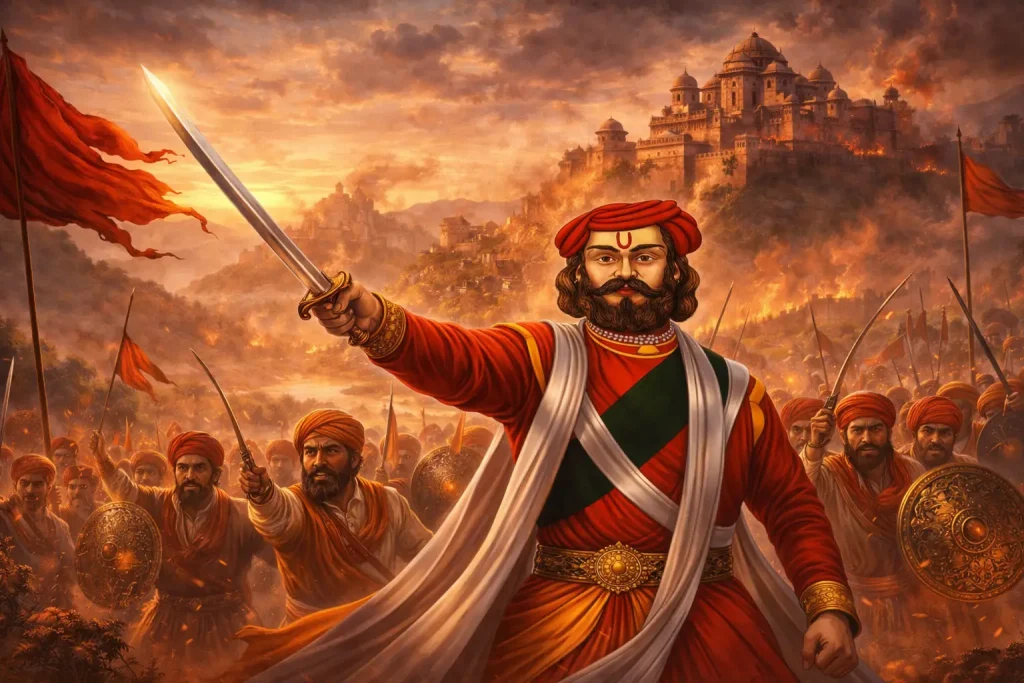
Thakur Ranmat Singh followed a leadership style rooted in justice, discipline, and community welfare. He prioritized protecting local traditions, ensuring fair decision-making, and maintaining law and order. His administration focused on strengthening unity among communities, supporting warrior preparedness, and promoting responsible leadership to safeguard regional stability and cultural identity.
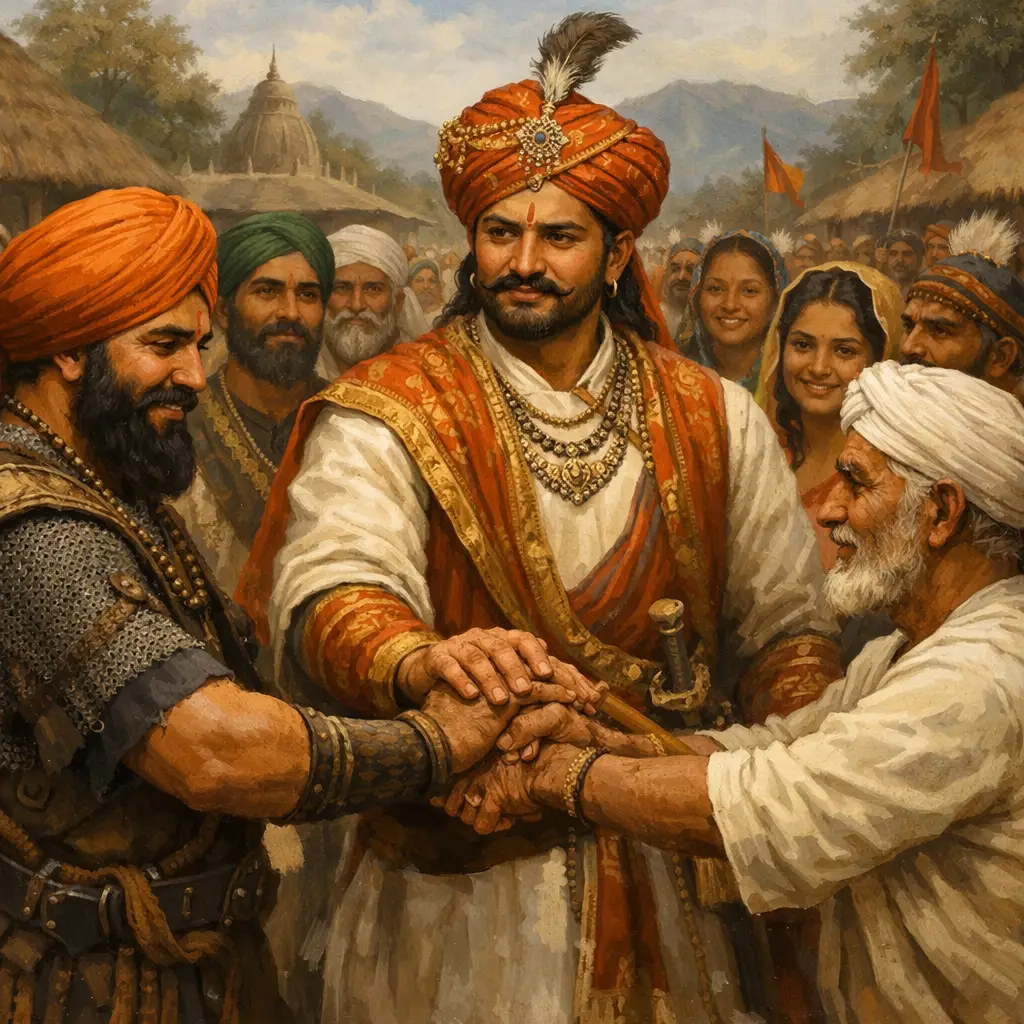
He believed in consultative leadership, often seeking guidance from elders, warriors, and community representatives before making important decisions. Ranmat Singh encouraged cooperation, mutual respect, and accountability among his followers. His governance emphasized moral responsibility, protection of civilians, and preservation of cultural values, helping create a stable and disciplined regional administration.
- Legacy
Family & Warrior Heritage
Spirit of Patriotism
Thakur Ranmat Singh strongly believed in loyalty to his land, culture, and people. His patriotic values encouraged communities to take pride in their heritage and stand united during difficult times. He viewed freedom as a moral duty and inspired others to protect their homeland with courage and unwavering dedication.
Philosophy of Resistance
Ranmat Singh’s resistance philosophy focused on standing against injustice and external domination. He believed that self-respect, unity, and determination were essential for safeguarding regional identity. Through strategic resistance and moral strength, he motivated warriors and citizens to challenge oppression and defend their cultural and political independence.
- Impact
Social & Cultural Influence
Community Unity
Thakur Ranmat Singh promoted strong unity among local communities, encouraging cooperation and mutual respect. His leadership helped bring different groups together under shared cultural and social values, strengthening regional harmony.
Traditions
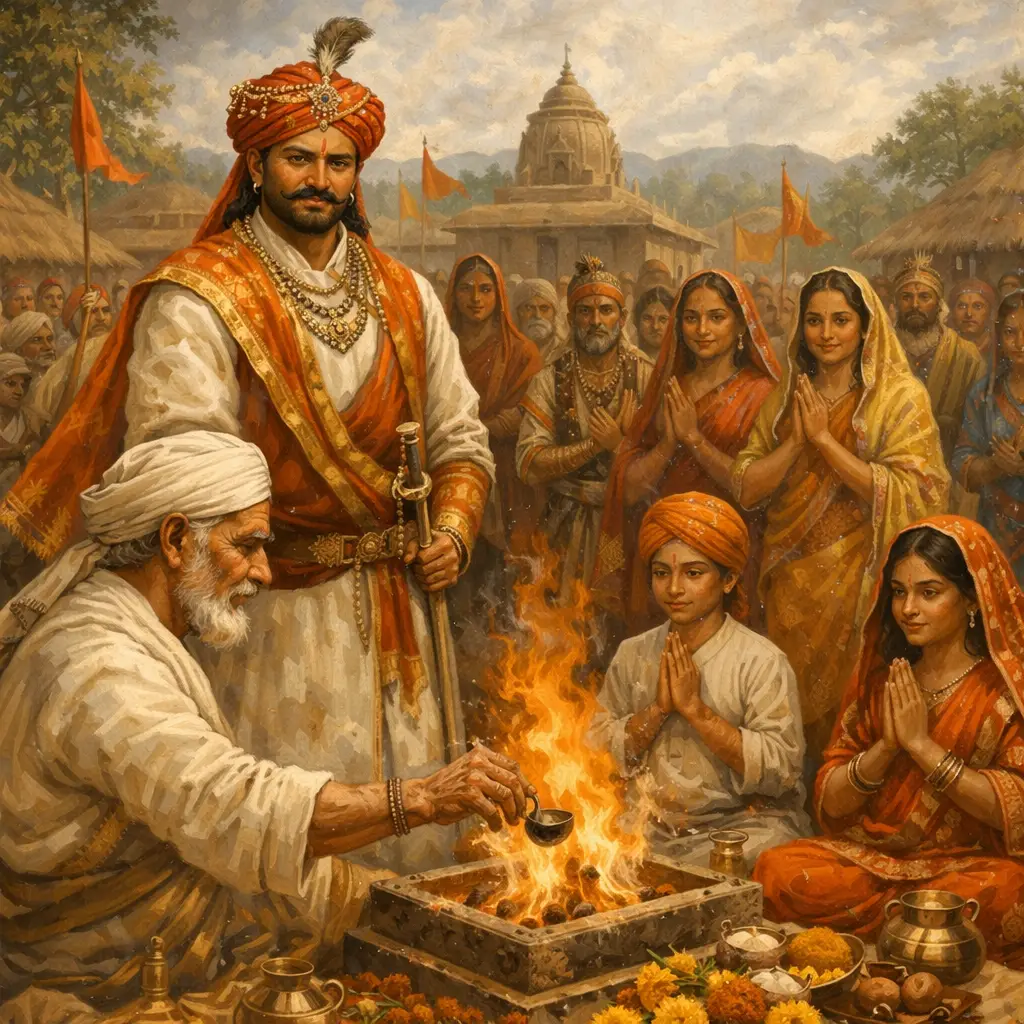
He supported the protection of regional customs, rituals, and cultural practices. His efforts ensured that traditional heritage remained strong and continued to be followed by future generations.
Inspiration to Youth
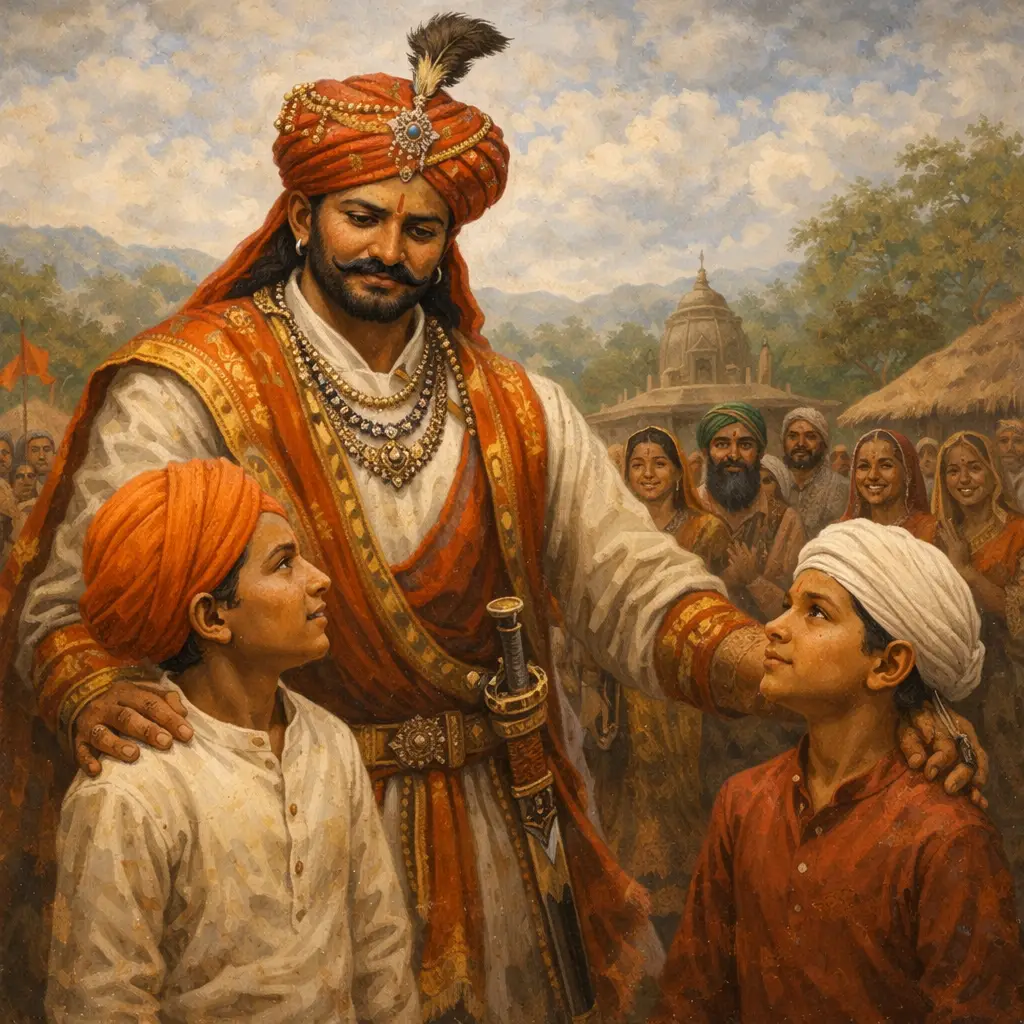
Ranmat Singh’s courage and moral values inspired younger generations to respect their cultural roots and develop a sense of responsibility toward society and heritage.
Warrior Ethics
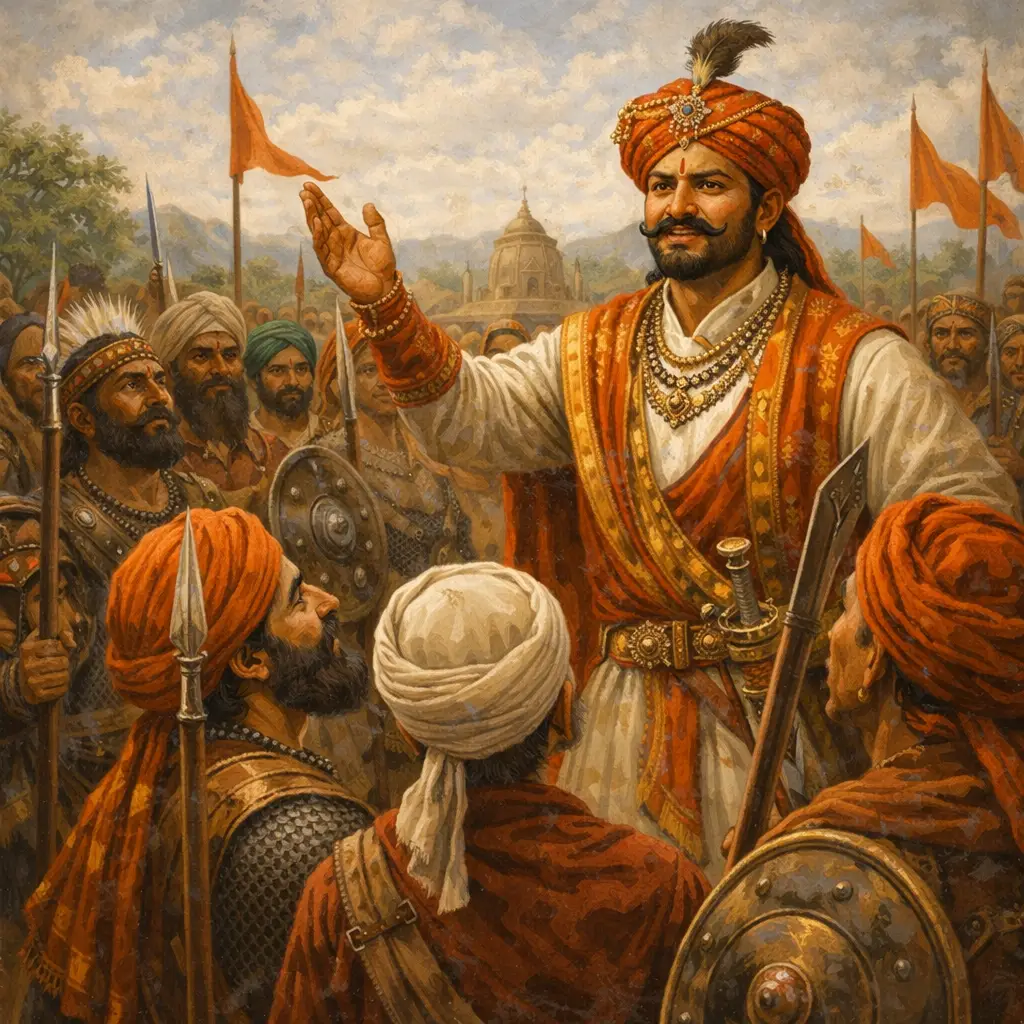
He encouraged values such as bravery, honor, and discipline, which became guiding principles for communities and warriors, shaping social conduct and strengthening cultural identity.