
Freedom Resistance Movement
- Home
- Movement
- Era
Historical Context
- Resistance
Role in Anti-Colonial Resistance
Defending Regional Freedom
Thakur Ranmat Singh played a significant role in protecting his region from colonial interference and worked to preserve local governance and independence.
Organizing Armed Resistance
He mobilized local warriors and communities to form strong resistance groups, preparing them to challenge colonial forces through strategic action.
Inspiring Patriotism
His courage and determination motivated people to stand united against foreign rule and strengthened the spirit of freedom among local populations.
Symbol of Defiance
Ranmat Singh became a powerful symbol of resistance, representing bravery, sacrifice, and unwavering commitment to protecting cultural and regional identity.
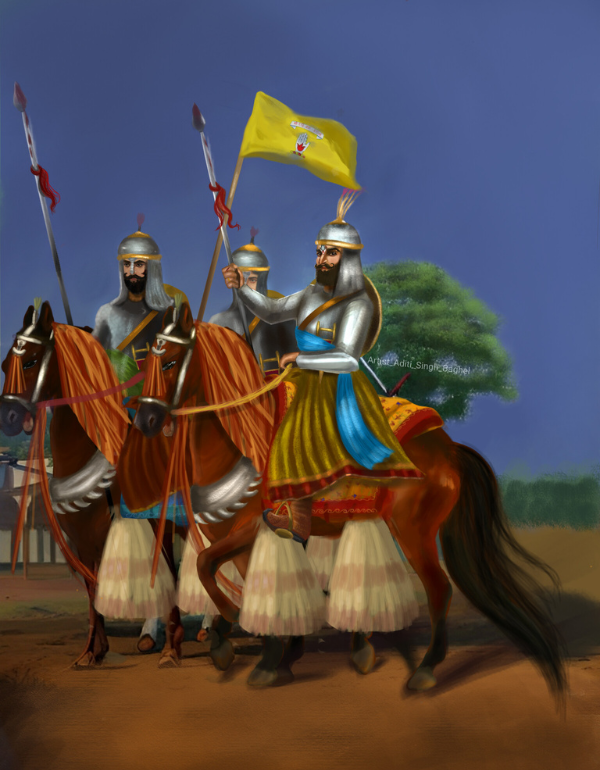
- Warfare
Major Battles & Actions
Regional Territories
Thakur Ranmat Singh led defensive campaigns to protect his homeland from foreign intrusion
Guerrilla Warfare Operations
He adopted guerrilla warfare strategies, using terrain knowledge and surprise attacks to weaken enemy forces.
Alliance with Local Warriors
Ranmat Singh united nearby warrior groups and tribal fighters to build a strong, coordinated resistance force.
Strategic Fort Protection
He strengthened regional forts and used them as military bases to resist colonial and external attacks.
Oppressive Against Forces
He organized bold counterattacks to disrupt enemy control and protect local populations from exploitation.
Final Resistance Campaigns
Towards the later phase of his struggle, he continued leading resistance despite increasing challenges.